To take a good photograph, you need to know three main thing: ISO, aperture and the shutter speed. Iso is basically how sensitive your camera is to the light, aperture is how much light gets in and the shutter speed is the time, in which the photo is taken. The last ingredient in the mix is the underexposure, where your photos come out darker than it is supposed to be, because you didn't set the things mentioned above right. Or is it?
With a proper digital camera, one can take photos in 1/800 seconds or even in a shorter time span. If you don't set your aperture and iso right, you get very dark images, because in that short time span, very small amount of light comes into your camera. And this would actually be seen as a mistake.
But it doesn't have to be that way.
It takes light time to come from the sun and shine from all the surfaces that we see to end up in our eyes, or in that case into the camera. Here the technology does, what humans can't. And that is to look at the light in a very short time span.
In that short time span, very small amount of light arrives to the camera. This in a sense reminds me of the reality of our world. Which is:
everything is in dark. The only way we perceive something is it has to absorb or reflect specific wavelengths that was shine on it. And when you look at the light spectrum, the visible light covers only a tiny bit of the whole spectrum.
In this photo series, I am trying to delve deeper into this limbo state, between light and total darkness.
At this point I quickly want to mention a short film, which I really love. It is: "Copa Loca". The film takes places in a greek town in winter and talks about what local people do in these towns, when there are no tourists. Whole film talks about real things about real people. But towards the end, there is a part like this:
"Copa loca is a planet at the other end of the space. Gradually, the planet moves away from the sun. The hearts of the people cannot cope with the cold. One by one, they surrender to the frost and wait for the end of the world."
Looking at my photos, I also get such a feeling. That it might be real, that there is a planet at the other end of the space, maybe in a post-apocalyptic context, where the sun doesn't shine so bright and people adapted to this lifestyle.
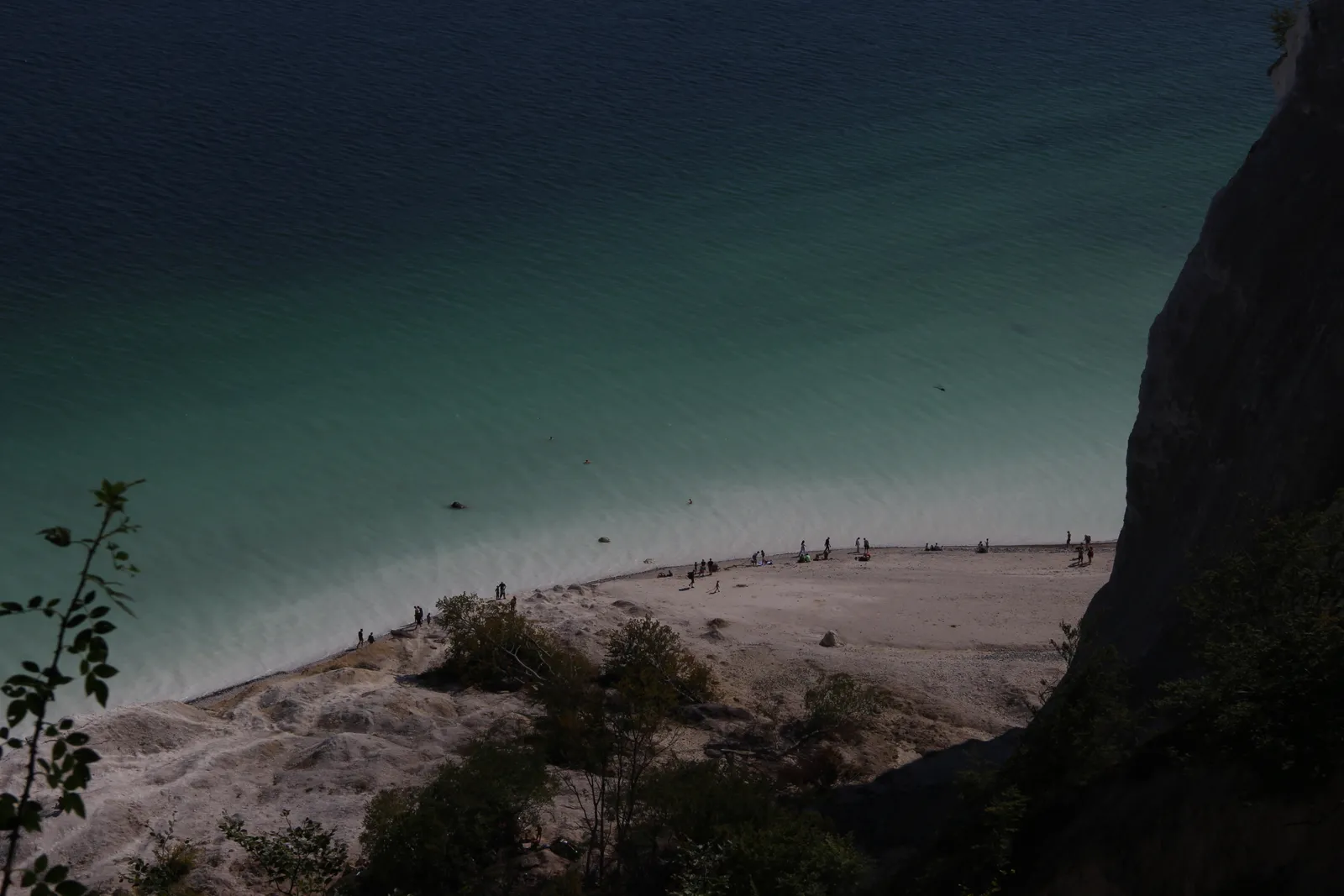
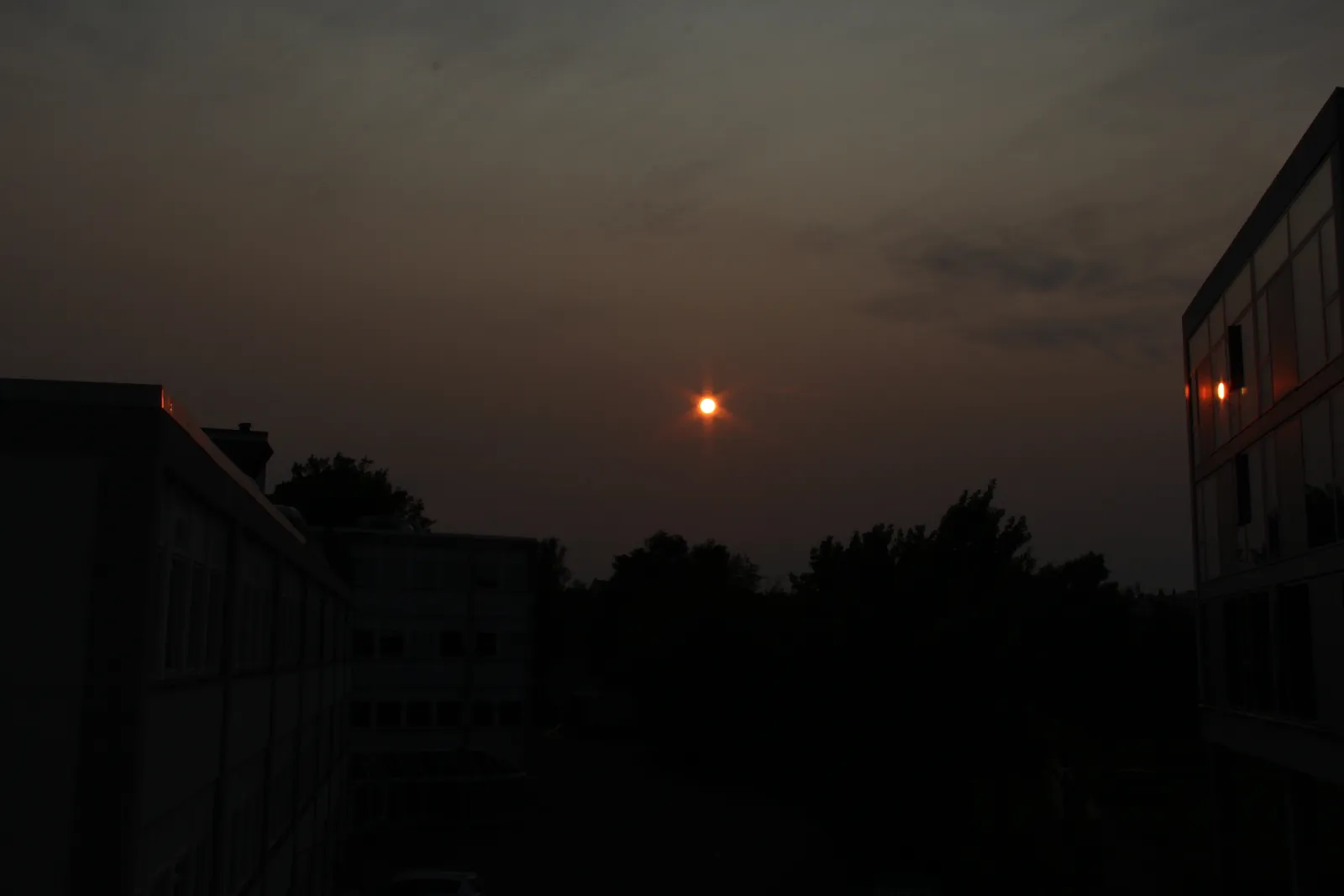
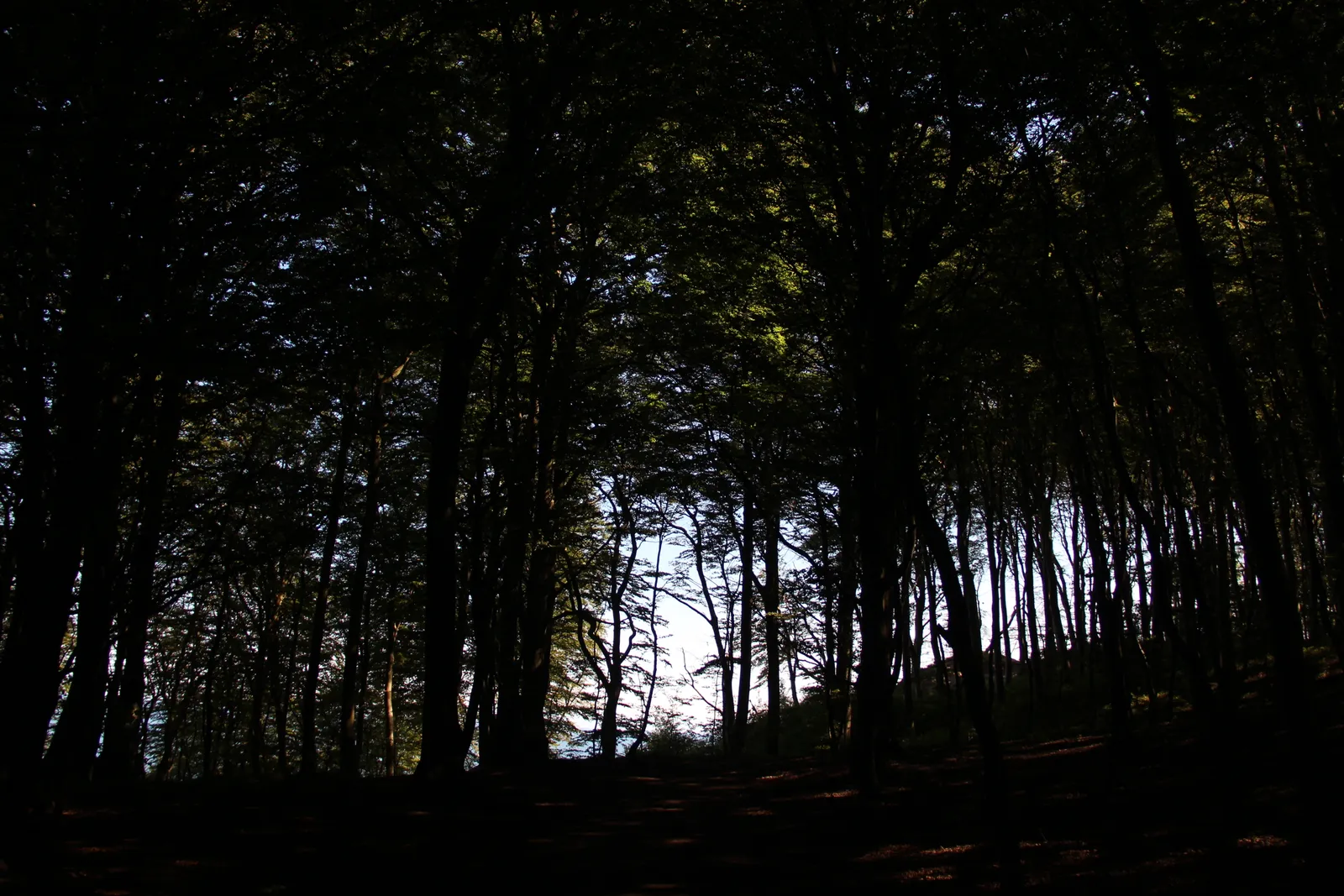
*This is an ongoing project, more photos will come.